top of page


Turkey vultures fly to the region during the summer and primarily feast on carrion, which helps cycle nutrients through the environment. In fact, the reason that vultures are bald is to help them keep clean while eating. They use thermals to conserve energy in flight, and their keen eyesight and sense of smell helps them to locate food.


Robins are an incredibly common migratory bird throughout North America, where they can be found year-round. A little more than half of their diet includes fruits and berries, and the rest is invertebrates, primarily insects. Their eggs are a beautiful shade of cyan, which only the mother will incubate until they hatch in 14 days.


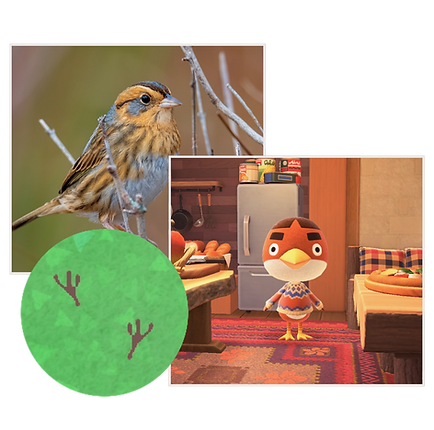


Nelson's sparrows are common migrators through the region. Their breeding grounds are north, in the marshes of Canada and Maine, and their diet consists of vegetation, seeds, insects, and aquatic invertebrates. Because they nest so close to the ground, this species is vulnerable to habitat loss due to rising sea levels.


Blue-winged teal typically stay close to the shorelines of calm bodies of water, where they use the vegetation to hide from predators. They primarily feed on the seeds and stems of a variety of seeds and grasses, but about 1/4th of their diet consists of small animals like mollusks, crustaceans, and insects.


Snowy egrets are a variety of small, white herons that are uncommon migrators to the region during warmer months. They can be found in a variety of wetlands where they feed on fish, crustaceans, insects, amphibians, and small reptiles. The species was once hunted extensively for their white feathers, but the trade has since ended and the population has recovered.


.png)
Red foxes are widely distributed across much of the Northern Hemisphere, thanks much to the help of human expansion. They adapt very well to new environments, and they primarily eat small rodents, rabbits, birds, and invertebrates. They are also social creatures, living in family groups within a joint territory.
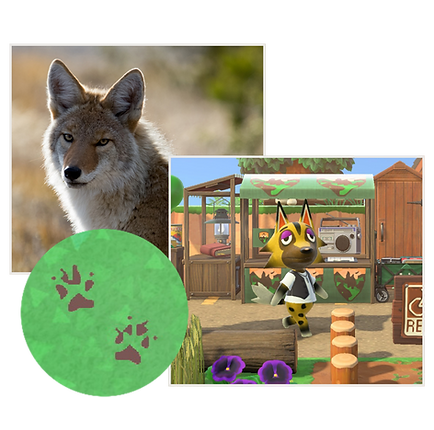


Coyotes can be found all across North America. They are close relatives of the wolf, and prey on a variety of creatures, either big or small depending on if they are hunting alongside others. Coyotes were once the most common in grasslands, but now some are taking advantage of the food and safety that urban areas provide.


bottom of page