top of page
FxACqtOaUAAA7EO copy (2).jpg
species blurb copy.png
animals (1).png
easternjuniper.png

Eastern junipers are the main variety of juniper to grow in the area. Their berries provide food for birds during the winter, which helps to disperse their seeds. 

ej.png
pawpaw.png

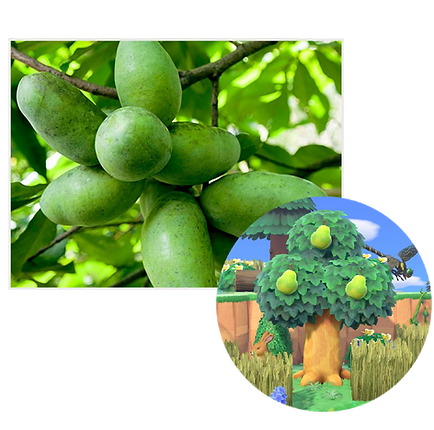
Pawpaws are one of the less common tree varieties of the area, but they are one of the only native trees that produce fruit, making them a good source of food. These trees have a distinctive smell thanks to the insecticides they produce.

pp.png
silvermaple.png

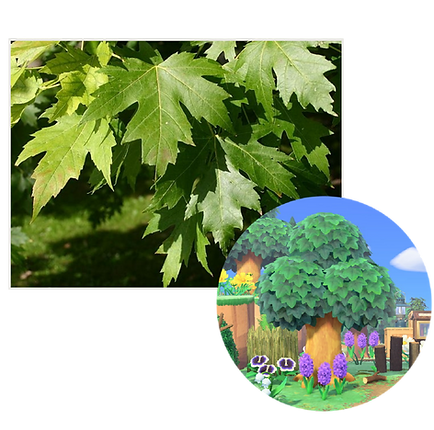
Silver maple trees are most common near the wetlands of the area, which is why they're also known as the 'water maple'. Their leaves, buds, and bark provide an abundant food source for a variety of animals, and they provide shelter for many of these animals as well.

sm.png
nannyberry.png

Nannyberries are a variety of shrub that grows best in wet soil along the edge of the forest. Its flowers are a pretty white, and a variety of animals consume its fruit during the winter.

nb.png
prairierose.png

The prairie rose is a type of shrub known to grow best in prairies, ditches, and roadsides. Its beautiful pink blooms provide a meal for pollinators and birds.

pr.png
sumac.png

Smooth sumac is an easily identifiable plants that's native to the region. It produces green flowers in the spring, which eventually turn into berries that last through winter, providing a snack for deer.

ss.png
violets.png

As the name suggests, common blue violet is incredibly common to the area, particularly in the forest. It comes in two different colors - purple and white - and it grows commonly in people's lawns. Many consider it to be a weed, but a variety of insects, mammals, and birds rely on these plants as food sources. This flower is also known to use ants to spread its seeds through a fascinating process known as myrmecochory!

cbv.png
coneflower.png

Coneflowers are relatives of the sunflower, and they produce lovely purple-pink flowers that attract plenty of pollinators. Certain varieties of this plant are cultivated domestically, but the wild population is threatened due to overharvesting and human modification of their habitats.

cf.png
goldenrod.png

There are many different species of goldenrod, but the most common local variety is solidago canadensis. These flowers are teeming with pollinators of all varieties and sizes, which can make for an unpleasant surprise for an unsuspecting forager.

gr.png
gblobelia.png

Great Blue Lobelia is a beautiful flower that grows to be around 4 feet tall with pretty blue flowers. These typically bloom in late summer and early autumn, and the plant relies heavily on insects like bees for pollination. Bumblebees can be seen using the fused petals as a landing pad before climbing into the flower for nectar.

gbl.png
milkweed.png

Most commonly found in fields with dry soil, milkweed is a popular plant for pollinators. The orange flowers produce an abundance of nectar, attracting all sorts of bees and butterflies. This plant is a favorite place for monarch butterflies to lay their eggs.

mw.png
prairiefleabane.png

Prairie fleabane can be found in eastern and central North America, and it's known to branch out so that it can produce a multitude of flowers. Although they're very small, you can find up to 200 flowers on just one plant! 

pf.png
prairielily.png

Prairie lilies are not as common to the area as some other flowers, and as such, they are listed as an endangered or threatened species in several U.S. states. These flowers are also known to be extremely toxic to cats.

pl.png
roughblazingstar.png

Blazing stars grow just one tall stem, many leaves, and a cluster of gorgeous purple flowers that are a favorite for many pollinators. These flowers are where they get one of their alternative names, 'button blazing star'.

rbs.png
orchid.png

The showy orchid is a pretty blossom that provides food for a variety of pollinators. It almost never grows in the open where there's full sun, preferring rocky hillsides, dampness, and shade.

so.png
solomonsplume.png

Solomon's plume can be found all across the United States except for Hawaii, as well as much of Canada and Mexico. It can produce anywhere from 7 - 250 tiny flowers during spring, and by early summer, the plant produces little red fruits.

sp.png
thinsflwer.png

The thinleaf sunflower typically blooms in late summer or early fall, and it grows tall and branches near the top. A wide variety of animals rely on it for food, including some butterflies that use it as a larval host. This flower prefers woodland or forest edges, and it needs this habitat to grow, or it may vanish from an area due to human activity and competition with invasive species. 

ts.png
yarrow.png

Yarrow is another flower that's widely distributed across much of the world, and a wide variety of animals rely on the plant for food. Insects rely on yarrow as a food source, and some species of birds use it to line their nests. Humans across the world have also relied on yarrow for its medicinal properties, for which it has a wide variety of uses.

y.png
  • TikTok
  • Twitter
  • Tumblr
  • Instagram

© 2023 by RaeFaeACNH. Powered and secured by Wix

bottom of page